It is time for the U.S. to prioritize an infrastructure spending bill as a means to revitalize the economy and improve the physical assets in our cities. We’re not the only ones who think so, and assuming a bill comes to pass, we can only hope that Washington’s plan is comprehensive, equitable, and climate-conscious. But most of all, it needs to address the underlying deficiencies in one of our most valuable infrastructure assets: water.
A “climate-conscious” approach to infrastructure is a nice, buzzy talking point that pundits and think tanks use when they refer to making huge transitory investments in alternative energy sources that shift our economy away from fossil fuels. What they miss is that there are immediate investments we can make NOW to mitigate the shocks of a changing climate.
“Whack weather” is a term we use to describe sudden, unpredictable weather events that cause property and/or other damages. From 1990 to 2019, this type of weather, when adjusted for inflation, has caused $1.5 Trillion in damages in the U.S over that time period. Last year alone “whack weather” cost the U.S. $45 Billion. This combination of urbanization, larger rain events, and outdated, deteriorating water infrastructure is a recipe for disaster, and one that isn’t being addressed in any meaningful way.
Over half of the states in the U.S. are likely to experience damaging floods this Spring. This is a water infrastructure issue. But regardless of the threat, new investments in urban water systems remain low because water simply doesn’t have the sex appeal as say new roads and highways, or seaports and airports.

A good example of this is the combined sewer overflow crisis that our nation is facing. Many U.S. cities (722 to be exact) are failing to manage excessive stormwater runoff that results from large storms. When it rains, this water hits impermeable surfaces and runs off into the sanitary sewer system, overwhelming it. By design, when these systems are overwhelmed, they discharge untreated stormwater and raw sewage into the nearest receiving water body. This isn’t isolated. Overflows like this result in an estimated 850 billion gallons of wastewater and sewage ending up in clean waterways around the nation.
This can be remedied with paradigm shifting investments in Green Infrastructure. A development approach that uses Green Infrastructure is able to protect, restore, and help mimic the natural water cycle by allowing rain to absorb into the ground, right where it falls. Techniques can include rain gardens, permeable pavements, green roofs, and bioretention systems. All of these techniques can achieve the same thing - by capturing and managing rain right where it falls, they lessen the burden on downstream water infrastructure and treatment plants
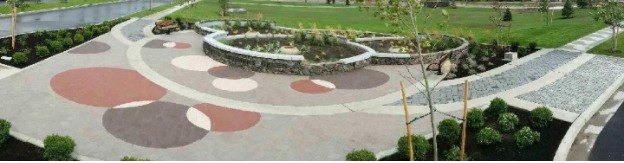
Green infrastructure is coming of age. Once considered unscalable, innovation in permeable paving technology, along with new design and bioretention approaches are changing that for good. Green Infrastructure ought to be a priority in every city’s water infrastructure plan. It’s not only a cost effective approach today, but it can future-proof cities against the shocks of larger, more intense weather events that are inevitable.
The fact is, more than 56 million new users will be connected to centralized water systems over the next two decades. This will add a lot more demand and strain to our already overburdened water systems. As communities continue to grow and we add more roads and rooftops, it’s imperative we offset these impacts with Green Infrastructure. The good news is that the technology and solution toolkit has come of age. Now is the time to implement it.
Big challenges usually present equally big opportunities. So when it comes to water infrastructure, we’ve got quite an opportunity on our hands. Water systems are complex organisms of sorts, where drinking-water, wastewater, stormwater, and sewer systems are all interconnected. And with rapid urbanization, average rainfall increases, and nearly 1,000,000 miles of water pipes and networks aging well past their operational life, water infrastructure in the U.S. is being stressed to unprecedented levels.
In the developed world we view water like any other common commodity. Accessing clean and reliable water is generally a localized way of life for most people in the U.S. The rare stories of shutoffs and day zero scenarios rarely get anyone’s attention because water doesn’t have much political sex-appeal. At least not like say pandemics, taxes, and Trump tweets. Ironically, if the majority of folks are unaware or even apathetic toward clean water issues, it makes them all the more important to deal with.
In most of the developed world, rate-paying citizens enjoy access to clean water every time they turn the tap on. This is the marvel of modern engineering. But climate change, unsustainable aquifer depletion, and urbanization are rapidly changing that dynamic.
You see, the majority of U.S. water assets have approached the end of their useful lives. The underground tanks, pumps, and conveyance systems we rely on for clean water are decrepit and failing. A 2017 report from Bluefield Research stated a $683 Billion forecast over the next decade for water related capital improvements to meet current and future demands. Some believe this number is conservative. And with nearly 95% of all water infrastructure spending made at the local level, it’s the rate-payer who will be on the hook for financing these projects.
From the deferred maintenance of conveyance pipes to the construction of bigger stormwater facilities, the massive price tags of these projects are getting passed on to paying customers who have no say in the solution. This usually works fine until there are disruptions to service or the price of the product gets too high. If dramatic rate increases in parts of California and in large Midwest cities are any indication, it’s time for cities to think differently about how they approach water management.
Stormwater is the Key
On these pages we focus on stormwater because we believe that the health and sustainability of urban water systems starts and stops with efficient stormwater management. Stormwater runoff pollution has become the most pervasive environmental issue that cities face today, simply because cities manage it like waste. But stormwater itself is an asset. After all, it’s rain water! It only becomes waste when it hits the impermeable surfaces in cities — streets, sidewalks, parking lots, alleyways, and rooftops — and turns into runoff. It’s my belief that the inability of U.S. cities to manage stormwater naturally and effectively is THE key factor in the deterioration of our urban water systems.
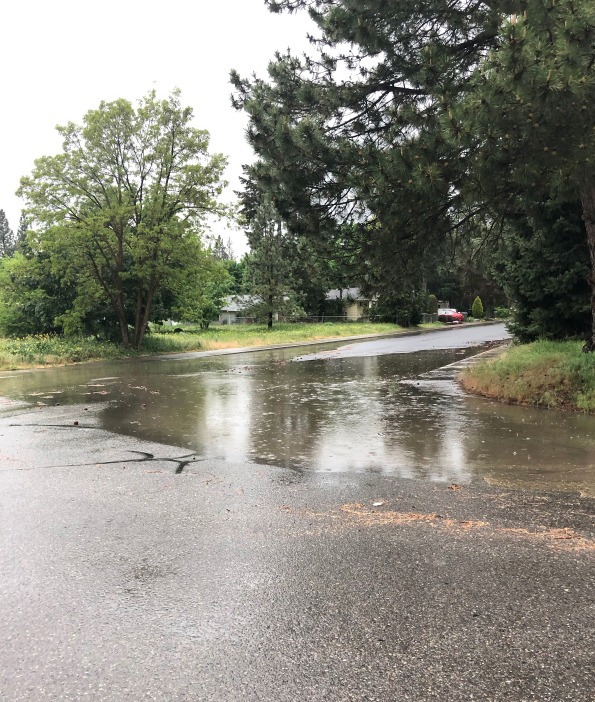
Stormwater runoff from a short, intense rain event floods a city street in Spokane, WA.
Defaulting to the age-old approach of building larger gray infrastructure systems with bigger pipes, pumps, and longer tunnels, is short sighted. The future of stormwater management includes the natural capture and infiltration of rainfall, returning it to the ground while eliminating the overburden that runoff puts on existing municipal water infrastructure.
This isn’t a novel concept. In fact, this idea of getting stormwater back into the ground naturally, right where it falls, is a form of development called green infrastructure. As more cities throughout the U.S. adopt these techniques, more private capital flows toward innovative green infrastructure projects, creating a virtuous cycle.
To this point, green infrastructure has remained nascent because it hasn’t really been scalable. Rain gardens and stormwater ponds are known to gobble up otherwise usable (developable) space, replete with expensive maintenance regimens and breeding ground for invasive plants. Permeable pavements were great in theory, but poor in practice. Weak in strength and easy to clog, these materials have only improved marginally over the last decade. But all of that is changing now.
Breakthroughs in material technology are bringing about new types of pervious hardscapes that don’t clog from dirt and debris, for the first time enabling scalable applications of permeable pavement. With nearly 1 million miles of urban arterials and side streets in the U.S., the ability to manage stormwater from the street, directly in the public right-of-way is a game changer. Couple this with the water industry’s embrace of new approaches in sidestream treatment, distributed water infrastructure, and AI, and it’s starting to look like innovation is the key to solving the water issue addressing a huge opportunity around urban water.